Many of the best-paid jobs after the military hire without a degree, because they ask for a license, a certification or proof that you have done the work, and service gave many veterans part of that already. Aircraft maintenance, the electrical trades, commercial driving, cybersecurity and logistics supervision all fit.
The trick is to turn what you did into the credential the job post names. Federal rules make that faster for some specialties, and the GI Bill pays for most of the rest.
A license or certification does the work a degree does
An employer asks for a degree as proof you can learn the job, and a license proves you already know it. For the jobs below, the license is the requirement and the degree is optional.
| Job | What gets you in | How military service counts |
|---|---|---|
| Aircraft mechanic | FAA A&P certificate | Documented military maintenance experience qualifies you for the exams |
| Electrician | State license after an apprenticeship | Military electrical work can shorten the apprenticeship |
| HVAC technician | EPA Section 608 certification | Military facilities and equipment work counts as trade experience |
| Truck driver | Commercial driver’s license | Military drivers can skip the driving test |
| Security analyst | A certification such as CompTIA Security+ | Military cyber and signals work counts as experience |
| Warehouse or distribution supervisor | Supervision experience | Leading a supply section or motor pool is the experience |
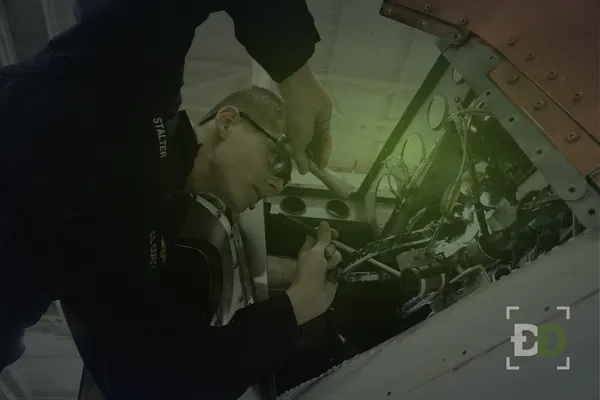
Aircraft maintenance counts your military hours toward the A&P
Under 14 CFR 65.77, you can qualify for the A&P exams with 18 months of practical experience for one rating, or 30 months for airframe and powerplant together, and military maintenance work counts. An FAA inspector checks your documented experience against the subject areas for each rating, and a specialty code alone isn’t enough, so bring training records and evaluations that show what you worked on.
Once you pass the written, oral and practical tests, the certificate opens airline, cargo, charter and repair station jobs. The aviation jobs and the technician jobs both list aircraft maintenance openings.
Skilled trades pay you to learn on the job
An apprenticeship pays a wage from the first day and ends with a license or a journeyman card. Electrical, plumbing, pipefitting and HVAC apprenticeships usually combine several years of paid work under a licensed tradesperson with classroom hours.
The GI Bill covers approved apprenticeships and on-the-job training. You get a monthly payment for living expenses from the GI Bill while the employer or union pays your salary, which makes a beginner’s wage go further. HVAC work also needs EPA Section 608 certification to handle refrigerants, a test many technicians pass in a day.
Diesel and heavy equipment mechanics often go straight into a job without an apprenticeship, because the military trained them on the same engines. Technician jobs list maintenance, field service and inspection openings.
Trucking needs a CDL, and the military can waive the driving test
Service members and recent veterans with military truck experience can skip the CDL driving skills test under the Federal Motor Carrier Safety Administration’s Military Skills Test Waiver, which each state takes part in. You need a record of safe driving in military vehicles like the commercial ones you want to drive, and FMCSA extended the window to apply to two years after the military driving job. Some states also waive the written knowledge test through FMCSA’s Even Exchange program.
Local and regional driving jobs that bring you home each night sit in the logistics jobs next to warehouse and dispatch work.
Cybersecurity hires on certifications and hands-on experience
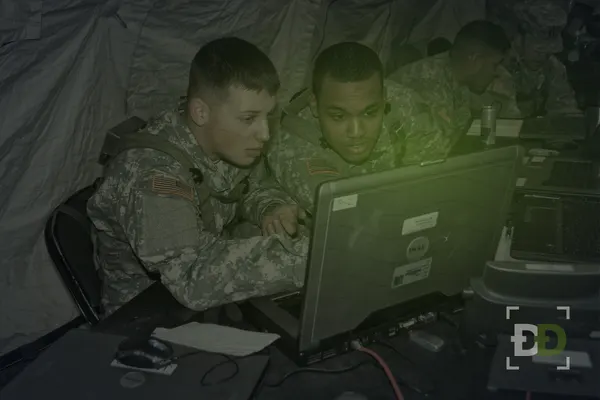
Security teams care more about what you can do than about a diploma. Years in a military cyber, signals or network unit count as security experience, and a certification shows your level to a screener who can’t read military titles. CompTIA Security+ is the entry-level certification job posts name most, and more advanced posts ask for certifications such as CySA+, CISSP or OSCP.
The cybersecurity jobs include security operations, incident response and network roles. AI companies also pay security experts to test their systems, covered in AI training jobs for cybersecurity experts.
Logistics and warehouse management hire on supervision experience
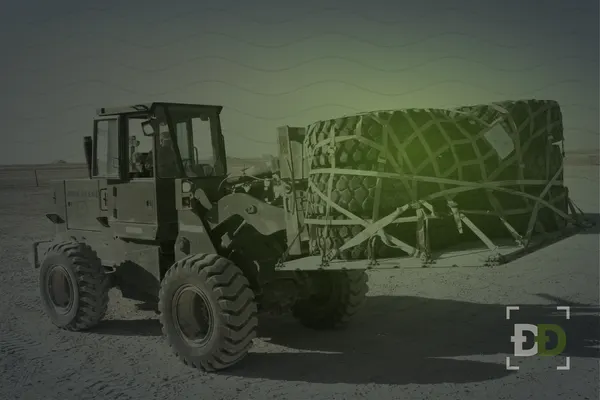
Running a supply room, a motor pool or a convoy is the experience distribution centers hire supervisors for. Warehouse supervisor, inventory control and dispatcher jobs rarely require a degree. Planning and analyst roles in supply chain more often do, though a certification such as APICS CPIM or CSCP can stand in at some employers.
Federal jobs count military experience as qualifying experience
Most General Schedule jobs let specialized experience substitute for education, and military experience counts. The announcement lists the experience each grade needs, so match your resume to its wording.
Veterans also get hiring paths others don’t. The Veterans’ Recruitment Appointment lets an agency hire an eligible veteran without a competition up to GS-11, within three years of discharge for most veterans. How veterans preference points work covers preference and the other special authorities.
Get the credential paid for before and after you separate
Each branch runs a Credentialing Opportunities On-Line program, called COOL, that pays for civilian certification exams while you serve, with its own rules on which credentials and how many. Use it before you leave, while the exam is free.
In the last months of service, SkillBridge lets you train or intern with a civilian employer for up to 180 days while drawing military pay, with command approval.
After you separate, the GI Bill reimburses approved licensing and certification tests up to $2,000 per test, retakes included, and charges your entitlement only for what it pays. If you’d rather earn while you look, the remote jobs pay for military knowledge by the hour, from home.